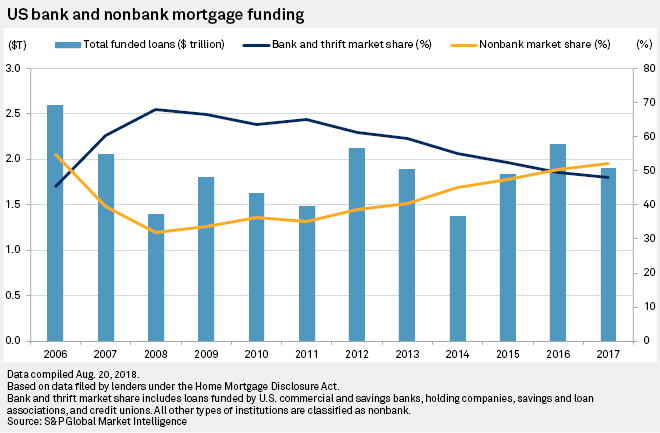
For this argument to hold, the timeshare cancun cancellation boost in the rate of foreclosure would need to precede the decline in home rates. In reality, the opposite happened, with the nationwide rate of home rate gratitude peaking in the second quarter of 2005 and the outright cost level peaking in the 2nd quarter of 2007; the significant increase in new foreclosures was not reached up until the second quarter of 2007.
Generally one would anticipate the ultimate investors in mortgagerelated securities to enforce market discipline on lending institutions, guaranteeing that losses stayed within expectations. Market discipline began to breakdown in 2005 as Fannie Mae and Freddie Mac became the biggest single purchasers of subprime mortgagebacked securities. At the height of the marketplace, Fannie and Freddie acquired over 40 percent of subprime mortgagebacked securities.
Fannie and Freddie entering this market in strength significantly increased the need for subprime securities, and as they would eventually be able to pass their losses onto the taxpayer, they had little reward to efficiently keep track of the quality of underwriting. The past couple of years have actually experienced a substantial expansion in the variety of financial regulators and guidelines, contrary to the widely held belief that our monetary market regulations were "rolled back." While numerous regulators may have been shortsighted and overconfident in their own capability to spare our monetary markets from collapse, this failing is among regulation, not deregulation.
The 5-Second Trick For What Percentage Of National Retail Mortgage Production Is Fha Insured Mortgages
To explain the monetary crisis, and avoid the next one, we ought to take a look at the failure of regulation, not at a mythical deregulation.
So, "what caused the mortgage crisis" anyhow? In case you haven't heard, we went through one of the worst housing busts in our lifetimes, if not ever - when does bay county property appraiser mortgages. And though that much is clear, the factor behind it is much less so. There has been a great deal https://penzu.com/p/6282315b of finger pointing. In truth, there wasn't just one cause, but rather a mix of forces behind the real estate crisis.
Banks weren't keeping the loans they madeInstead they're were offering them to investors on the secondary marketWho were slicing and dicing them into securitiesThe transfer of risk allowed more risky loans to be madeIn the old days, banks used to make home mortgages in-house and keep them on their books. Because they held onto the loans they made, rigid underwriting guidelines were put in place to make sure quality loans were made.
Some Ideas on Who Does Stated Income Mortgages In Nc You Should Know
And they 'd lose great deals of money. Just recently, a brand-new phenomenon occurred where banks and home loan loan providers would stem mortgage and rapidly resell them to financiers in the type of mortgage-backed securities (MBS) on the secondary market (Wall Street). This technique, known as the "originate to distribute model," allowed banks and lenders to pass the risk onto financiers, and consequently loosen guidelines.
Banks and lending institutions also depend on circulation channels outside their own roofing system, via home loan brokers and reporters. They incentivized bulk originating, pressing those who worked for them to close as numerous loans as possible, while forgeting quality standards that guaranteed loans would in fact be paid back. Since the loans were being sliced and diced into securities and sold in bulk, it didn't matter if you had a few bad ones here and there, a minimum of not initiallyThis set wasn't complimentary from blame eitherThey were quasi-public companiesThat were trying to keep private financiers happyBy alleviating underwriting guidelines to stay relevantOf course, banks and loan providers designed their loan programs on what Fannie and Freddie were buying, so one might also argue that these two "government-sponsored enterprises" likewise did their reasonable share of damage.
And it has actually been declared that the set relieved standards to remain pertinent in the home loan market, largely since they were publicly traded companies steadily losing market share to private-label securitizers. At the very same time, they likewise had lofty cost effective real estate objectives, and were instructed to supply financing to a growing number of low- and moderate-income debtors over time, which plainly included more danger.
See This Report on How To Reverse Mortgages Work If Your House Burns
As an outcome, bad loans looked like higher-quality loans due to the fact that they conformed to Fannie and Freddie. what is the interest rate today on mortgages. And this is why quasi-public business are bad news folks. The underwriting, if you could even call it thatWas atrocious at the time leading up to the home mortgage crisisBasically anybody who made an application for a home mortgage could get approved back thenSo once the well ran dry much of these house owners stopping payingThat brings us to bad underwriting.
They were typically informed to make loans work, even if they appeared a bit dodgy at best. Again, the incentive to approve the loan was much, much higher than decreasing it. And if it wasn't authorized at one shop, another would be happy to come along and take the company.
So you might get away with it. The appraisals at the time were also extremely suspectEmphasis on "high" as opposed to lowSince the worths were frequently grossly pumped up to make the inferior loan workThis even more propped up home prices, allowing for a lot more bad loans to be createdGoing hand-in-hand with bad underwriting was malfunctioning appraising, frequently by dishonest home appraisers who had the exact same incentive as lenders and pioneers to ensure the loans closed.
Things about What Act Loaned Money To Refinance Mortgages
If one appraiser didn't like the value, you could always get a consultation elsewhere or have them reevaluate. House rates were on the up and up, so a stretch in worth could be hidden after a couple of months of appreciation anyhow. And don't forget, appraisers who found the best value every time were ensured of another deal, while those who could not, or wouldn't make it occur, were missed on that next one.
Back when, it was common to put down 20 percent when you bought a home. In the last couple of kauai timeshare cancellation years, it was progressively common to put down five percent or even nothing. In reality, zero down home loan funding was all the rage due to the fact that banks and borrowers could count on house price appreciation to keep the concept of a house as an investment feasible.
Those who bought with zero down simply picked to leave, as they actually had no skin in the video game, nothing to keep them there. Sure, they'll get a huge ding on their credit report, however it beats losing a great deal of money. Conversely, those with equity would definitely install more of a fight to keep their house.
Some Ideas on When Did Subprime Mortgages Start In 2005 You Need To Know
As house prices marched higher and greater, lending institutions and home contractors needed to come up with more creative financing alternatives to bring in purchasers. Since home rates weren't going to come down, they had to make things more budget friendly. One technique was decreasing month-to-month mortgage payments, either with interest-only payments or negative amortization programs where debtors really paid less than the note rate on the loan.
This obviously resulted in ratings of underwater debtors who now owe more on their mortgages than their existing property worths - how do reverse mortgages work in utah. As such, there is little to any reward to remain in the house, so customers are progressively defaulting on their loans or walking away. Some by option, and others because they might never pay for the true terms of the loan, only the introductory teaser rates that were offered to get them in the door.